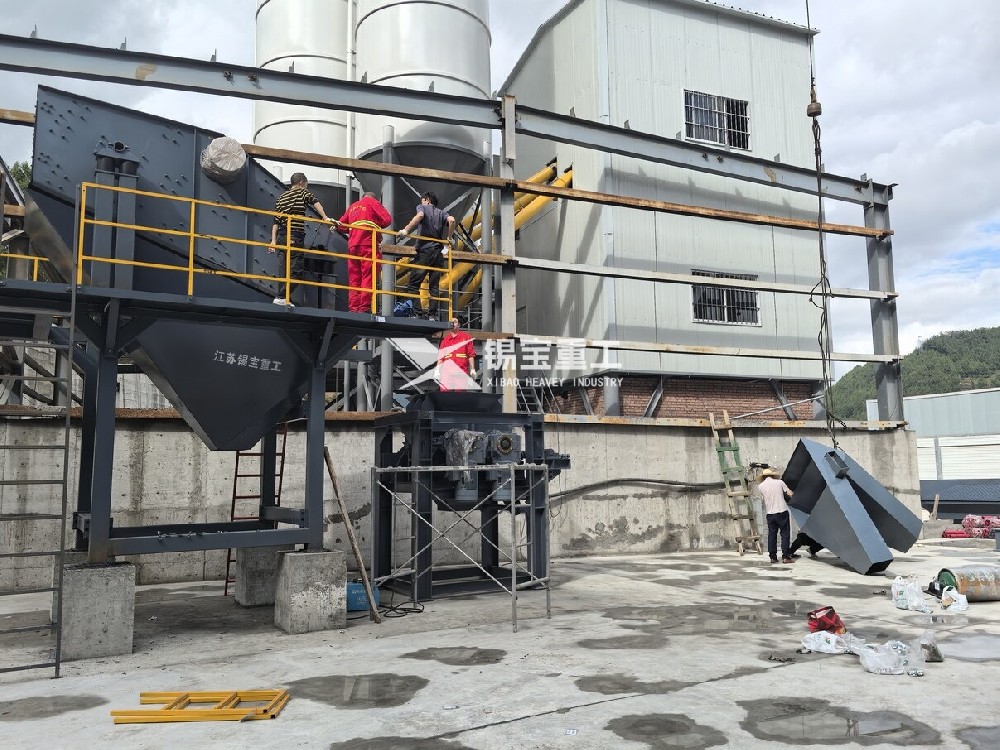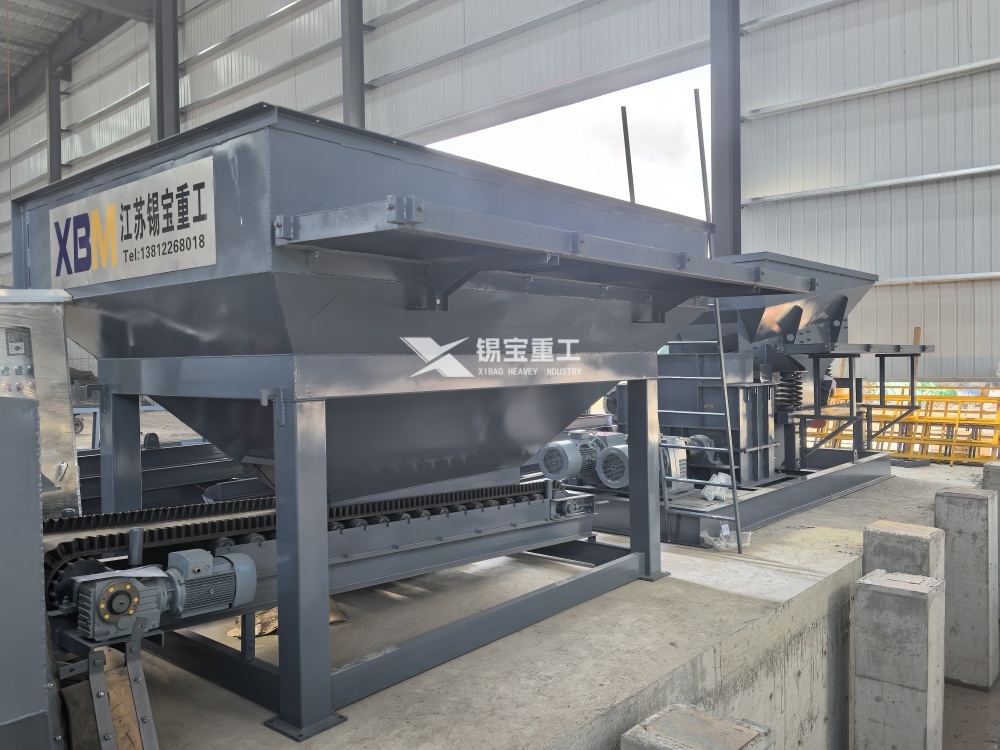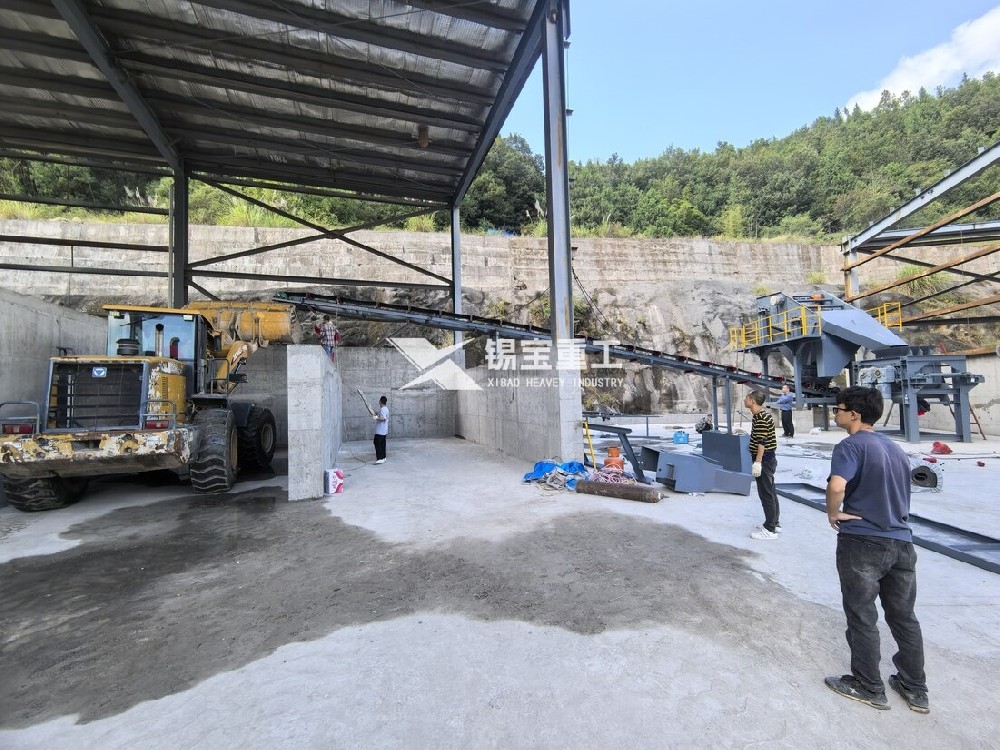

The reuse of waste asphalt from highways is a sustainable development measure that can reduce waste emissions, conserve resources, and lower the cost of constructing new roads. Below are some methods for the reuse of waste asphalt from highways:
Recycled asphalt concrete (RAP):
Waste asphalt materials can be crushed and screened for use as ingredients, and added to new asphalt materials in the production of new asphalt concrete. This method can significantly reduce the demand for new resources and maintain high road performance.
Thermal regeneration:
Waste asphalt materials are heated and crushed by hot recycling equipment, and then mixed with a certain proportion of freshly mixed materials to produce recycled asphalt concrete. This method can effectively recover the asphalt from waste asphalt materials, reduce environmental emissions, and lower construction costs.
Recycling and reuse:
Waste asphalt materials can undergo special treatments such as water washing and solvent extraction to separate the asphalt for use in the production of asphalt mortar, which is then used for road repairs and other purposes.
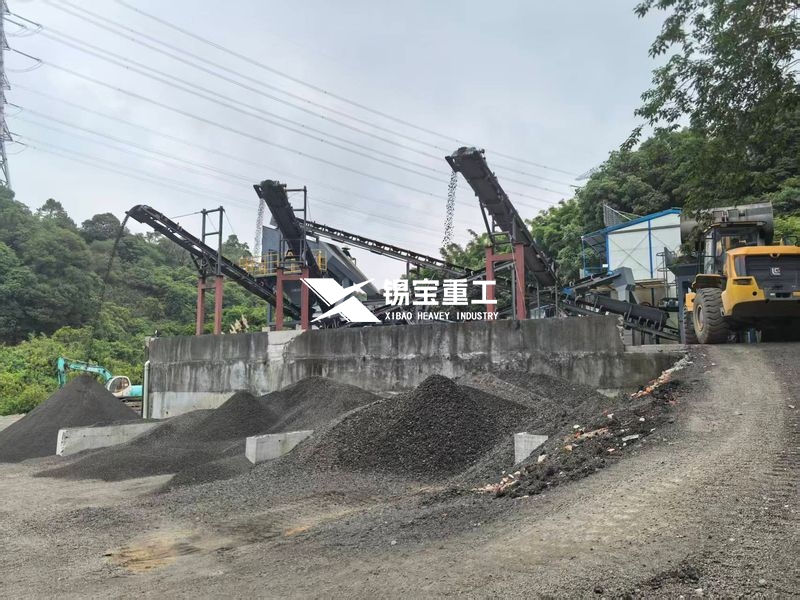 Hardened
asphalt base (HMA):
Waste asphalt can be directly used as the base layer of the road surface, mixed with new asphalt and filler to enhance the stability and load-bearing capacity of the base layer.
The benefits of reusing waste asphalt materials from roads include reducing construction costs, decreasing dependence on natural resources, minimizing waste emissions, and conserving energy. However, there are still some technical challenges in reusing waste asphalt materials, such as controlling the quality and performance of the asphalt materials, adaptability, and stability issues. Therefore, further research and technological improvements are needed.
Tags: