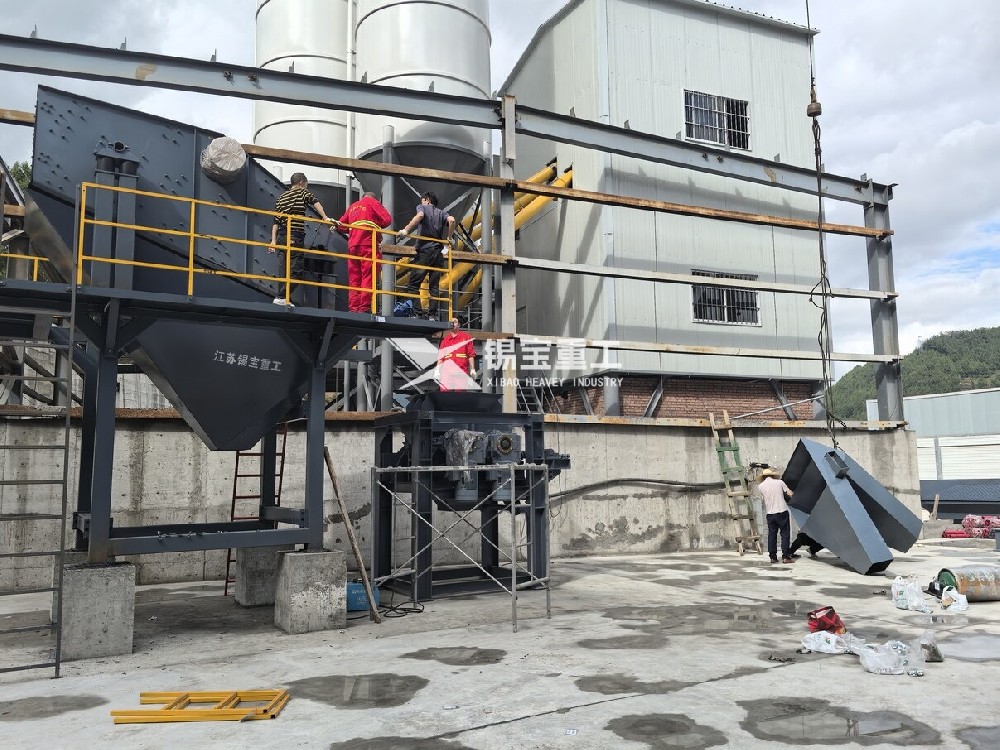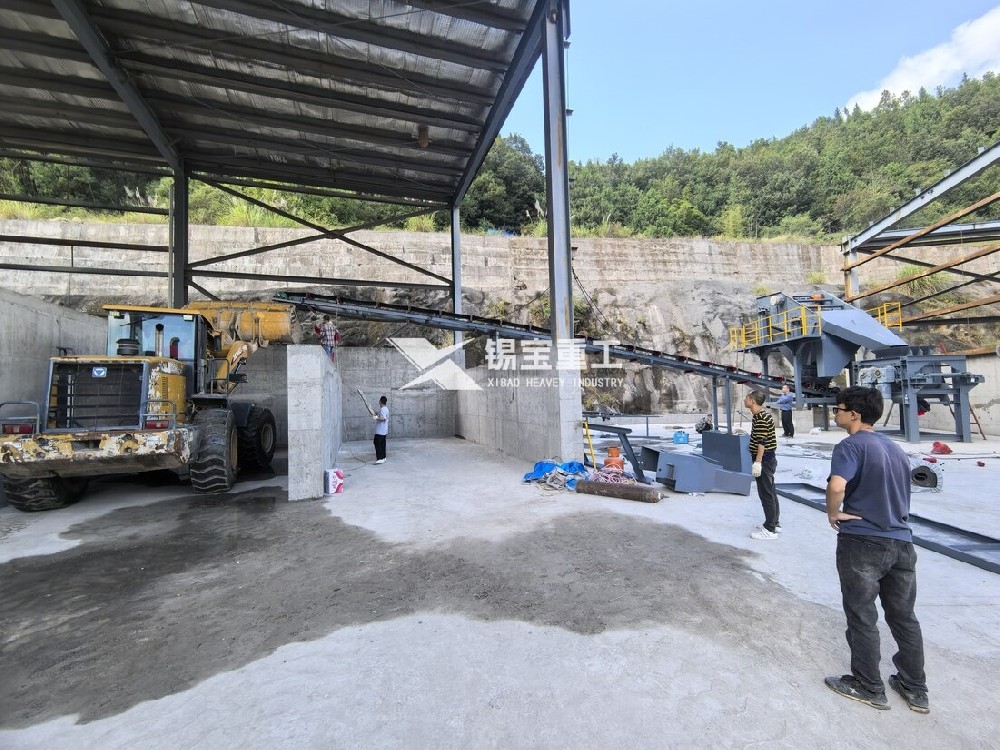
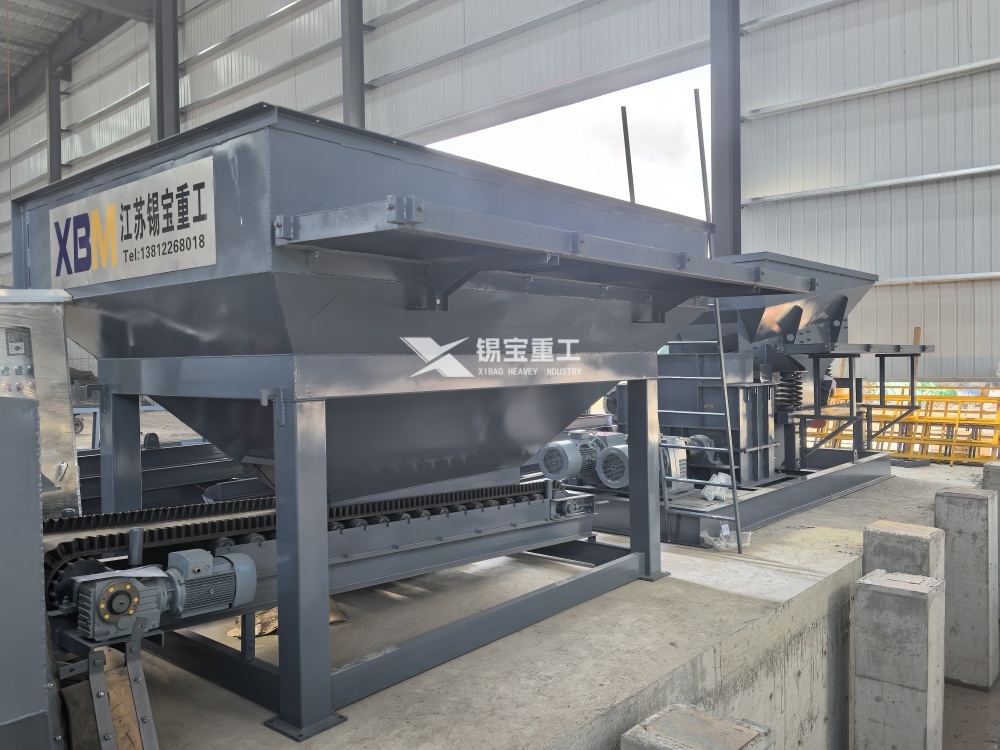
In the global context of advocating green development and circular economy, the recycling of construction waste has become an important part of sustainable infrastructure construction. Asphalt waste, mainly composed of reclaimed asphalt pavement (RAP) generated from road maintenance, renovation and demolition, is one of the most common and recyclable construction wastes. If these wastes are directly landfilled or discarded, they will not only occupy a lot of land resources, cause environmental pollution such as soil and water contamination, but also waste valuable aggregate and asphalt resources. The asphalt recycled material crusher, as a specialized equipment designed for asphalt waste recycling, has become the core driving force for realizing the resource utilization of asphalt waste. It can efficiently crush, screen and process various asphalt wastes into high-quality recycled aggregates, which can be reused in road construction, municipal engineering and other fields, forming a complete "waste collection—processing—recycling" industrial chain. This article will elaborate on the role, working mechanism, specific application scenarios, operation points and industry value of the asphalt recycled material crusher in waste recycling in detail, providing a comprehensive reference for relevant enterprises and practitioners.
1. Overview: Asphalt Recycled Material Crusher and Its Core Role in Waste Recycling
The asphalt recycled material crusher is a kind of specialized crushing equipment developed for the physical and chemical characteristics of asphalt waste (such as viscosity, elasticity and complex composition). Different from traditional crushing equipment that focuses on high-efficiency crushing of hard materials, it adopts a "flexible crushing + precise separation" technical route, which can not only break large pieces of asphalt waste into uniform particles, but also maximize the protection of the integrity of aggregates and the activity of asphalt binders, laying a solid foundation for the high-value recycling of asphalt waste.
In the process of asphalt waste recycling, the asphalt recycled material crusher undertakes the core link of "waste refinement". Its main roles include three aspects: first, breaking asphalt waste (such as asphalt milling materials, waste asphalt blocks, waste asphalt mixtures) into recycled aggregates of standard specifications, solving the problem of difficult disposal of large-volume asphalt waste; second, realizing the gentle separation of asphalt film and aggregates, avoiding excessive aging and coking of asphalt and excessive damage of aggregates, ensuring the reuse value of recycled materials; third, screening and classifying the crushed materials to meet the diverse application needs of different scenarios, improving the utilization rate of asphalt waste. With the continuous tightening of environmental protection policies and the increasing shortage of natural aggregate resources, the role of asphalt recycled material crusher in waste recycling has become increasingly prominent, becoming an indispensable key equipment in the asphalt waste recycling industry.
1.1 Classification of Asphalt Wastes Processed by the Crusher
The asphalt recycled material crusher has strong adaptability and can process various types of asphalt wastes generated in different scenarios, mainly including the following categories:
First, asphalt milling materials (RAP), which are the most common asphalt wastes, generated by milling the old asphalt surface layer during road maintenance and renovation. They are composed of asphalt binders, aggregates of various particle sizes, and a small amount of impurities, with a particle size ranging from a few millimeters to more than 100 millimeters. Second, waste asphalt blocks, which are generated by the demolition of old roads, bridges and parking lots, with large volume and high hardness, and need to be crushed into small particles before recycling. Third, waste asphalt mixtures, which are generated during the mixing and paving of new asphalt pavements, such as excess mixtures, unqualified mixtures, etc., with stable composition and high recycling value. Fourth, asphalt-containing construction wastes, such as waste asphalt pavement blocks mixed with concrete and brick fragments, which are generated during building demolition and road reconstruction, and need to be separated and crushed by specialized equipment. The asphalt recycled material crusher can effectively process the above-mentioned various asphalt wastes, realizing the comprehensive recycling of asphalt waste resources.
1.2 Core Advantages of the Crusher in Waste Recycling
Compared with traditional waste disposal methods (landfill, incineration) and general crushing equipment, the asphalt recycled material crusher has unique advantages in asphalt waste recycling, which are the key to its wide application:
1. High recycling efficiency: The equipment adopts an optimized structural design, with a processing capacity ranging from 7 to 300 tons per hour, which can quickly handle a large amount of asphalt waste, meeting the recycling needs of different scales of projects. Especially the mobile model can realize on-site processing of asphalt waste, avoiding the time and cost of waste transportation, and greatly improving the efficiency of waste recycling. 2. Good quality of recycled products: The flexible crushing technology adopted by the crusher can effectively protect the integrity of aggregates and the activity of asphalt binders, and the processed recycled aggregates have stable gradation, high strength and low powder content, which can fully meet the relevant industry standards for road construction and other applications. 3. Environmental protection and energy saving: The equipment is equipped with a complete dust control system and noise reduction device, which can effectively control dust and noise pollution during the crushing process, meeting the national environmental protection standards. At the same time, the low-speed and high-torque working mode reduces energy consumption by 20%-30% compared with traditional crushing equipment, conforming to the concept of green development. 4. Strong adaptability: It can handle asphalt wastes with high humidity, high asphalt content and mixed impurities without blockage or material sticking, and can adjust the particle size of finished products according to needs, adapting to diverse recycling scenarios. 5. Cost-saving and profit-increasing: It can turn asphalt waste into usable recycled aggregates, avoiding the cost of waste landfill and transportation, and reducing the cost of purchasing new aggregates and asphalt binders, bringing significant economic benefits to enterprises.
2. Working Mechanism of Asphalt Recycled Material Crusher in Waste Recycling
The asphalt recycled material crusher can efficiently complete the recycling and processing of asphalt waste, relying on its scientific and reasonable working mechanism, which mainly includes four core links: raw material pretreatment, flexible crushing, screening and classification, and asphalt-aggregate separation. Each link is closely connected to ensure the efficiency and quality of waste recycling.
2.1 Raw Material Pretreatment: Laying the Foundation for Efficient Recycling
Before the asphalt waste enters the crusher for processing, it needs to go through pretreatment to remove impurities and adjust the physical state of the waste, so as to avoid damaging the equipment and affecting the quality of recycled aggregates. The pretreatment mainly includes two steps: first, impurity removal. Through manual sorting or mechanical screening, impurities such as metal blocks, stones, tree roots and plastic fragments mixed in the asphalt waste are removed, because these impurities will not only wear the key components of the crusher (such as toothed rollers, screen mesh) but also affect the quality of recycled aggregates. Second, moisture adjustment. If the moisture content of the asphalt waste is too high (more than 15%), it will easily cause material sticking to the crusher and screen mesh, affecting the normal operation of the equipment. At this time, it is necessary to properly dry the waste to reduce the moisture content to the appropriate range (5%-15%). For large-volume waste asphalt blocks, it is also necessary to pre-crush them into small pieces that meet the feeding size of the crusher (usually ≤1050mm) to ensure smooth feeding.
2.2 Flexible Crushing: The Core Link of Waste Refinement
Flexible crushing is the core working link of the asphalt recycled material crusher, which is also the key difference between it and traditional crushing equipment. The crusher mainly adopts a double-toothed roller structure, and the two toothed rollers rotate in opposite directions at a low speed (usually 30-70 rpm) with high torque. When the pretreated asphalt waste enters the V-shaped crushing chamber between the two toothed rollers, it is continuously bitten into the gap by the rotating toothed rollers. Under the combined action of extrusion force, shearing force and gentle kneading force, the large pieces of asphalt waste are gradually broken into small particles, and the asphalt film on the surface of the aggregates is gently stripped without excessive aging and coking caused by violent impact and friction. This flexible crushing mode can maximize the protection of the integrity of the aggregates, avoid the generation of a large number of needle-like, flaky particles and fine powders, and ensure the gradation stability and strength of the recycled aggregates. The distance between the two toothed rollers is adjustable, and operators can adjust the roller spacing according to the required particle size of the finished products, so as to obtain recycled aggregates of different specifications (0-10mm, 10-25mm, 25-30mm, etc.)
2.3 Screening and Classification: Ensuring the Uniformity of Recycled Products
After the asphalt waste is crushed, it needs to go through the screening and classification link to separate the materials of different particle sizes, so as to meet the diverse application needs of recycled aggregates. The asphalt recycled material crusher is usually equipped with a multi-layer vibrating screen, which can screen the crushed materials into three or more specifications according to the preset particle size. The qualified recycled aggregates that meet the application standards are transported to the finished product silo for storage or direct reuse; the oversized materials that do not meet the particle size requirements are returned to the crushing chamber through the return conveyor for secondary crushing, forming a closed-loop crushing process to ensure that all asphalt waste is fully processed and utilized. Some advanced models are also equipped with a pre-screening function in the feeding system, which can first screen out the fine particles that do not need to be crushed, reducing the workload of the crushing chamber and improving the overall recycling efficiency.
2.4 Asphalt-Aggregate Separation: Realizing High-Value Recycling
The key to the high-value recycling of asphalt waste is to realize the effective separation of asphalt binders and aggregates, so that both can be reused. The asphalt recycled material crusher realizes the gentle separation of asphalt and aggregates through flexible crushing technology. During the crushing process, the asphalt film on the surface of the aggregates is stripped and scattered under the action of shearing and kneading forces, and does not undergo excessive aging and coking, so it can be reused in the subsequent preparation of recycled asphalt mixtures. The separated aggregates, with complete structure and high strength, can be directly used as road base course, subbase course materials or mixed with new aggregates to prepare new asphalt mixtures. This separation mode not only improves the utilization rate of asphalt waste but also maximizes the value of each component in the waste, realizing the high-value recycling of asphalt waste.
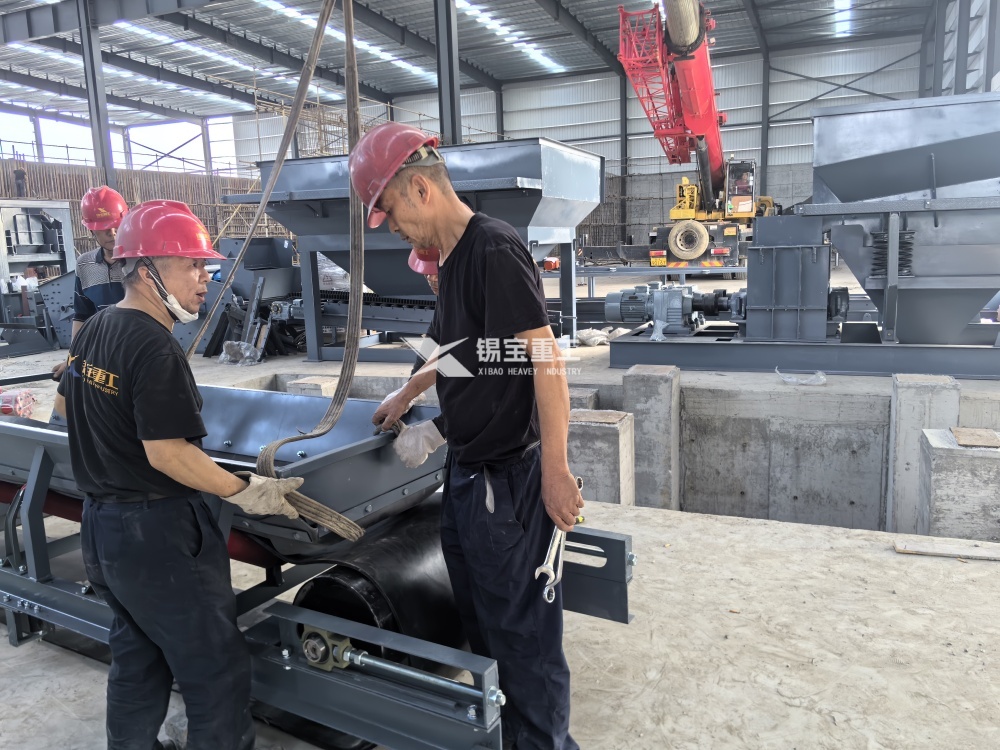
3. Specific Application Scenarios of Asphalt Recycled Material Crusher in Waste Recycling
The asphalt recycled material crusher has a wide range of applications in asphalt waste recycling, covering road engineering, municipal construction, construction waste treatment, asphalt mixing plants and other fields. It can realize the recycling of asphalt waste in different scenarios, and the recycled aggregates have diverse uses, bringing significant economic and environmental benefits to various industries.
3.1 Application in Road Construction and Maintenance Waste Recycling
Road construction and maintenance are the main sources of asphalt waste, and the asphalt recycled material crusher has become an indispensable supporting equipment in this field. In the process of highway and municipal road renovation, a large amount of asphalt milling material is generated by milling the old pavement. The mobile asphalt recycled material crusher can follow the milling machine to work on site, realizing "while milling, while crushing, on-site utilization". The processed recycled aggregates can be directly used for the base course and subbase course of the road, or mixed with new asphalt and aggregates to prepare recycled asphalt mixture for the surface course. For example, in a highway renovation project in North Carolina, USA, a local paving company used an asphalt recycled material crusher to process asphalt milling materials, and the recycled aggregates were used for the construction of driveways and sidewalks, not only solving the problem of waste disposal but also creating additional economic benefits. In addition, in the emergency maintenance of roads, the mobile asphalt recycled material crusher can quickly process the damaged pavement waste on site, and the recycled aggregates can be used for rapid repair of the road, shortening the maintenance time and reducing the impact on traffic.
3.2 Application in Construction Waste Recycling
A large amount of asphalt-containing construction waste is generated during the demolition of old buildings, old roads and bridges, such as waste asphalt pavement blocks, waste asphalt mixture mixed with concrete and brick fragments. The asphalt recycled material crusher can be used in combination with other construction waste treatment equipment (such as jaw crushers, magnetic separators) to form a complete construction waste recycling production line, realizing the comprehensive treatment and recycling of asphalt-containing construction waste. The crusher first crushes the asphalt-containing construction waste, then separates the asphalt aggregates from other construction wastes through screening and magnetic separation, and the separated asphalt aggregates are further processed into high-quality recycled aggregates, which can be used for road construction, foundation filling and other scenarios. For example, in a construction waste recycling project in China, the asphalt recycled material crusher processed 30,000 tons of asphalt-containing construction waste, and the recycled aggregates were used for the base course of a new municipal road, reducing the amount of construction waste landfill by 30,000 tons and saving a lot of landfill costs and new aggregate purchase costs.
3.3 Application in Asphalt Mixing Plant Waste Recycling
Asphalt mixing plants will generate a certain amount of waste asphalt mixture during the production process, such as excess mixture, unqualified mixture, and mixture left in the mixing equipment. These waste mixtures have stable composition and high asphalt content, and have high recycling value. The asphalt recycled material crusher can process these waste mixtures into recycled aggregates, which can be directly added to the new asphalt mixture for mixing (the mixing ratio can reach 30%-50% according to the project requirements), reducing the use of new aggregates and asphalt binders, and reducing the production cost of the mixing plant. At the same time, this recycling method also solves the problem of waste disposal of the mixing plant, avoiding environmental pollution caused by waste stacking. Many large asphalt mixing plants at home and abroad have introduced asphalt recycled material crushers to build their own waste recycling systems, realizing the recycling of waste asphalt mixture and improving the economic benefits and environmental benefits of the enterprise.
3.4 Application in Airport Runway and Parking Lot Waste Recycling
Airport runways and parking lots have high requirements for pavement quality, and a large amount of asphalt waste is generated during maintenance and renovation. The asphalt recycled material crusher can process these wastes into high-quality recycled aggregates that meet the use standards. The recycled aggregates can be used for the base course of the airport runway, the construction of auxiliary facilities around the runway, and the base course and surface course of the parking lot. For example, in the maintenance project of Frankfurt/Main Airport in Europe, the asphalt recycled material crusher was used to process the asphalt waste generated by the runway renovation, and the recycled aggregates were used for the construction of taxiways and apron pavements, which not only ensured the quality of the pavement but also saved a lot of costs for purchasing new aggregates. The high efficiency and stable operation of the equipment ensured that the maintenance work was completed within the limited time, minimizing the impact on air traffic.
4. Key Operation Points and Maintenance Measures for Waste Recycling
To give full play to the role of the asphalt recycled material crusher in waste recycling, ensure the efficiency and quality of waste processing, and extend the service life of the equipment, operators need to pay attention to the following key operation points and maintenance measures during the use process.
4.1 Key Operation Points
First, strictly control the quality of raw materials. Before processing, the asphalt waste must be pretreated to remove impurities such as metal blocks and large stones, and adjust the moisture content of the waste to avoid damaging the equipment and affecting the quality of recycled aggregates. Second, reasonably adjust the equipment parameters. According to the type, hardness and viscosity of the asphalt waste, and the required particle size of the finished products, adjust the roller spacing, feeding speed and other parameters of the crusher to ensure the crushing efficiency and the quality of the finished products. For example, for materials with high asphalt content and high viscosity, the roller speed can be appropriately increased, and the anti-sticking device can be started to avoid material sticking to the roller surface. Third, ensure the continuous and uniform feeding. The feeding speed should be adjusted according to the load of the crushing chamber, avoiding excessive feeding (which may cause equipment overload and blockage) or insufficient feeding (which may reduce production efficiency). Fourth, pay attention to environmental protection during operation. Ensure that the dust control system and noise reduction device are in normal operation, and take corresponding dust and noise reduction measures to meet the environmental protection requirements of the construction site. Fifth, strictly abide by the safety operation specifications. Operators must wear protective equipment, and are not allowed to put their hands or other objects into the crushing chamber during the operation of the equipment. In case of equipment failure, the power supply must be cut off first before maintenance to avoid safety accidents.
4.2 Daily Maintenance Measures
First, regular inspection of key components. Regularly check the wear of key components such as the toothed rollers, screen mesh and conveyor belt of the crusher, and replace the wearing parts in time. The toothed rollers are made of high-strength wear-resistant alloy materials, but they still need to be checked regularly to avoid equipment failure due to excessive wear. Second, strengthen the lubrication of the transmission system. Regularly add lubricating oil to the motor, reducer, coupling and other components of the transmission system to ensure stable power transmission and avoid equipment wear caused by insufficient lubrication. Third, clean the equipment regularly. After the operation, clean the crushing chamber, screen mesh and conveyor belt of the equipment to remove the residual asphalt and aggregates, avoid material caking and equipment corrosion. Fourth, check the electrical system regularly. Check the tightness of the electrical connections, the operation of the control system and the sensitivity of the emergency stop button to ensure the safe and stable operation of the equipment. Fifth, establish a maintenance record. Record the maintenance time, maintenance content and replacement parts of the equipment in detail, so as to facilitate the tracking and management of the equipment status and provide a basis for subsequent maintenance.
5. Industry Value and Development Trend of Asphalt Recycled Material Crusher in Waste Recycling
The popularization and application of asphalt recycled material crusher in waste recycling not only solves the problem of asphalt waste disposal but also brings significant economic, environmental and social benefits, and has broad development prospects in the context of circular economy.
5.1 Industry Value
From the economic perspective, the asphalt recycled material crusher can turn asphalt waste into usable recycled aggregates, avoiding the cost of waste landfill and transportation, and reducing the cost of purchasing new aggregates and asphalt binders. According to statistics, using recycled aggregates can save about 30%-40% of material costs, and each ton of asphalt waste recycled can save 100-200 yuan. For enterprises with large-scale waste processing needs, the annual cost savings can reach millions of yuan. At the same time, the recycled aggregates can be sold to other enterprises, creating additional economic benefits. From the environmental perspective, the recycling of asphalt waste avoids the environmental pollution caused by landfill and incineration, reduces the mining of natural aggregates, protects the ecological environment, and reduces carbon emissions. Each ton of asphalt waste recycled can reduce carbon dioxide emissions by about 0.8-1.2 tons, which is of great significance for responding to the global dual-carbon policy. From the social perspective, the recycling of asphalt waste promotes the development of the circular economy, improves the utilization rate of resources, relieves the pressure of resource shortage, and promotes the sustainable development of the infrastructure construction industry. In addition, the application of the equipment also promotes the upgrading of the asphalt waste recycling industry, creates more jobs, and brings positive social benefits.
5.2 Development Trend
With the continuous advancement of technology and the increasing emphasis on green development, the asphalt recycled material crusher will develop in a more intelligent, efficient and environmentally friendly direction. First, intelligent upgrading. The equipment will be equipped with a more advanced intelligent control system, which can realize real-time monitoring of operation parameters, remote operation, fault early warning and automatic parameter adjustment, improving the automation level of equipment operation, reducing labor intensity and ensuring the stability of processing quality. Second, efficiency improvement. Through the optimization of structural design and the improvement of technical level, the processing efficiency of the equipment will be further improved, and the energy consumption will be further reduced, realizing the "high efficiency and low consumption" of waste recycling. Third, multi-functional integration. The equipment will be integrated with functions such as screening, sorting and asphalt regeneration, forming a one-stop asphalt waste recycling production line, improving the comprehensiveness and efficiency of waste recycling. Fourth, environmental protection upgrading. The dust control and noise reduction technology of the equipment will be further optimized, and more environmentally friendly materials and processes will be adopted to meet the increasingly strict environmental protection standards. Fifth, diversification of models. According to the needs of different scenarios, more types of models (such as small mobile models, large fixed models) will be developed to meet the waste recycling needs of different scales and fields.
6. Conclusion
The asphalt recycled material crusher, as a key equipment for asphalt waste recycling, plays an irreplaceable role in realizing the resource utilization of asphalt waste. It realizes the efficient processing and high-value recycling of asphalt waste through the core links of raw material pretreatment, flexible crushing, screening and classification, and asphalt-aggregate separation. Its application covers road engineering, municipal construction, construction waste treatment and other fields, bringing significant economic, environmental and social benefits to the industry.
In the context of the national advocacy of green development and circular economy, the demand for asphalt recycled material crusher in waste recycling will continue to grow. With the continuous upgrading of equipment technology, its processing efficiency, product quality and environmental protection performance will be further improved, and its application scenarios will be further expanded. It will become an important support for the sustainable development of the asphalt waste recycling industry and the infrastructure construction industry. For enterprises engaged in road construction, maintenance and construction waste treatment, rationally using asphalt recycled material crusher to carry out asphalt waste recycling is not only an important measure to reduce costs, improve efficiency and realize green development, but also an inevitable choice to respond to environmental protection policies and seize the opportunities of circular economy development.