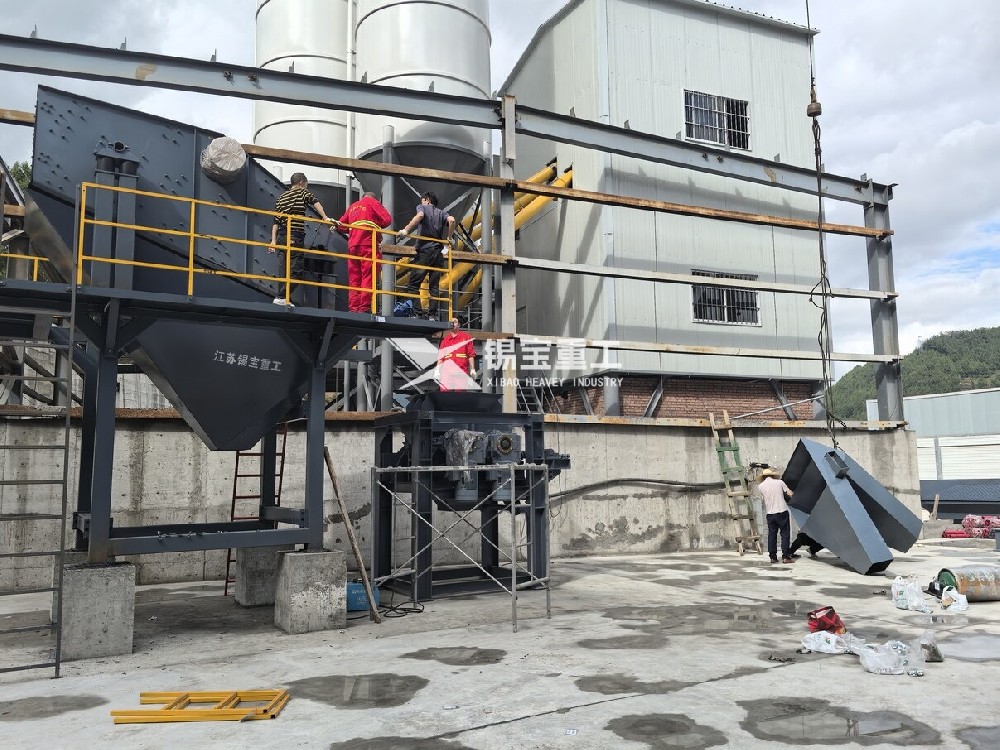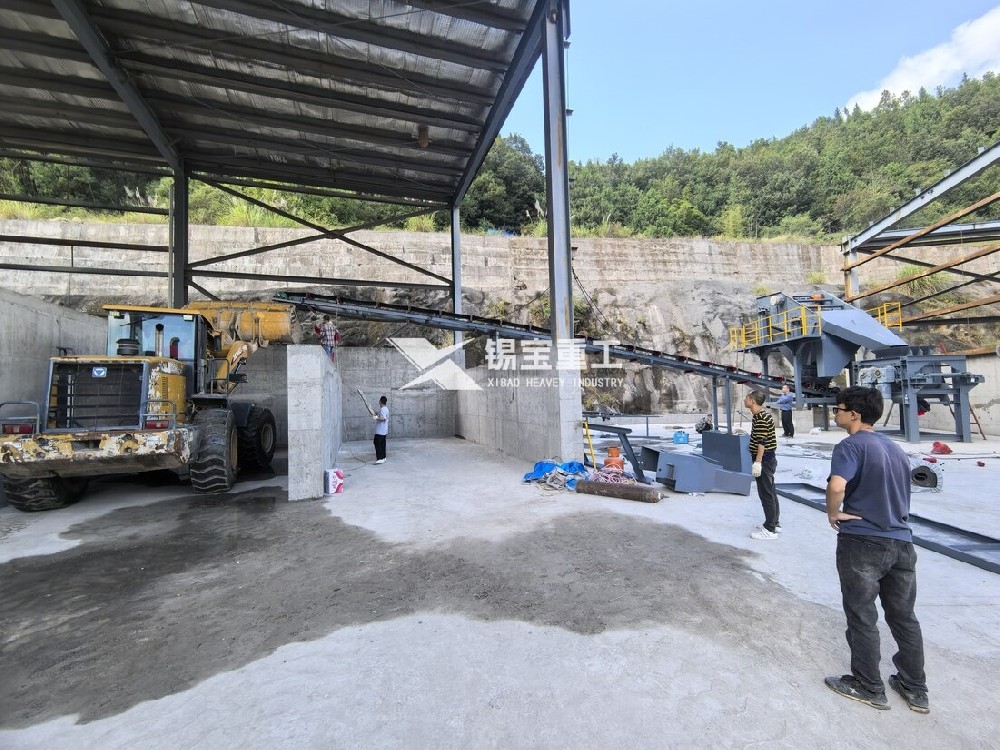
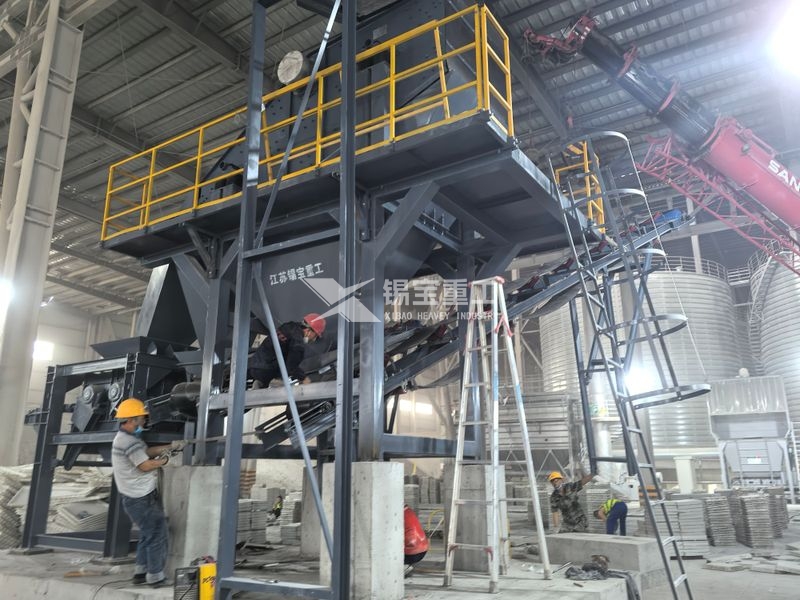
Asphalt milling material crusher is a specialized equipment designed to process recycled asphalt pavement (RAP) generated from road maintenance and reconstruction projects. Unlike traditional crushing equipment that relies on violent impact to break materials, this crusher adopts a flexible crushing principle tailored to the unique characteristics of asphalt milling materials—composites of asphalt binders and aggregates with viscosity and elasticity. Its core goal is to break large asphalt milling lumps into high-quality recycled aggregates while protecting the integrity of aggregates and avoiding excessive aging of asphalt. To fully understand how it works, we need to start from its core working principle, key components, complete operation process, and differences between different types of machines, which are elaborated in detail below.
1. Core Working Principle: Flexible Crushing to Balance Efficiency and Material Protection
The fundamental difference between asphalt milling material crushers and conventional jaw crushers or impact crushers lies in their "flexible crushing" mechanism. Traditional crushers use high-speed impact or rigid compression to break materials, which easily damages aggregate particles and causes excessive powdering of asphalt milling materials. In contrast, asphalt milling material crushers mainly rely on low-speed, high-torque extrusion, shearing, and kneading forces to break materials, simulating a "gentle peeling" process rather than violent smashing.
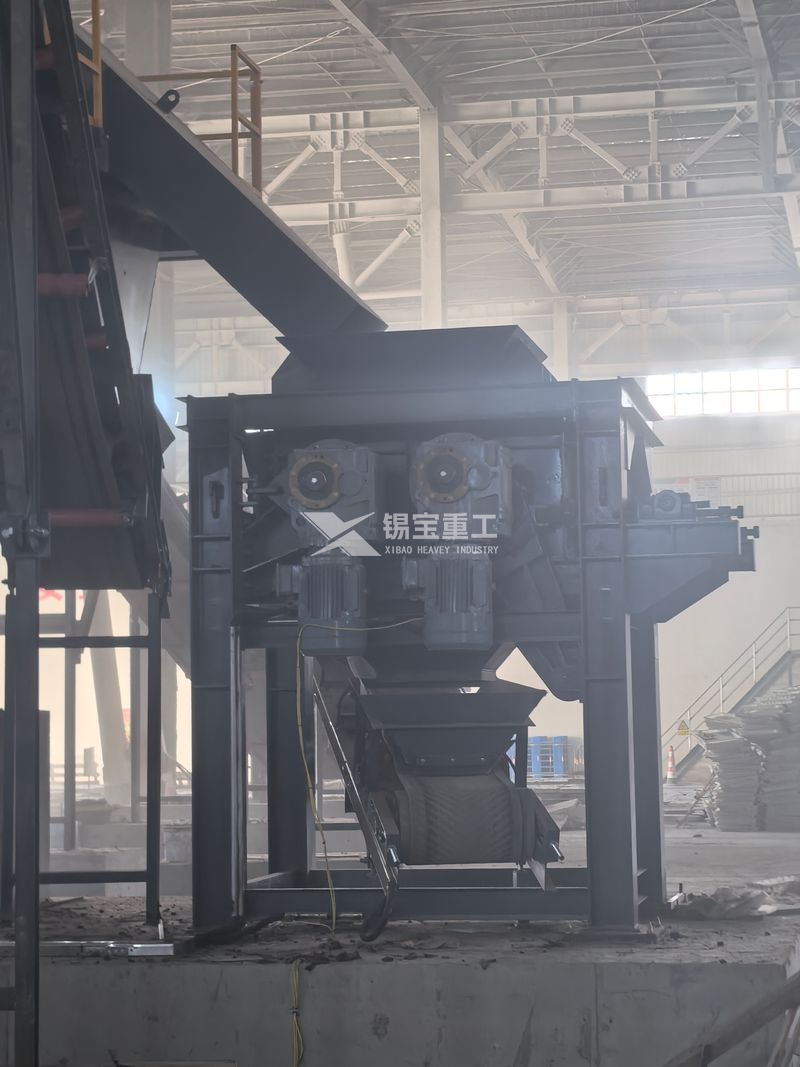
The core logic is: when asphalt milling materials enter the crushing chamber, the two toothed rollers (the core working parts) rotate in opposite directions at a low speed (usually 20-80 rpm). The gap between the rollers forms a V-shaped crushing space, and the materials are continuously bitten into the gap by the rotating toothed rollers. Under the combined action of extrusion force, shearing force, and slight kneading force, the large lumps of milling materials are gradually broken into small particles. At the same time, the asphalt film on the surface of the aggregates is gently stripped without coking or aging due to excessive friction, and the integrity of the aggregates is maximally preserved to ensure the gradation stability and reuse value of the recycled materials. This flexible crushing mode effectively solves the problems of high powdering rate and poor aggregate quality caused by traditional violent crushing.
2. Key Components and Their Functions in the Working Process
The normal operation of an asphalt milling material crusher relies on the close cooperation of various components, each of which plays a unique role in the crushing process. Understanding these components is crucial to grasping the overall working mechanism. The key components mainly include the feeding system, crushing chamber (toothed rollers), transmission system, screening system, and control system.
2.1 Feeding System: Ensuring Uniform and Stable Material Supply
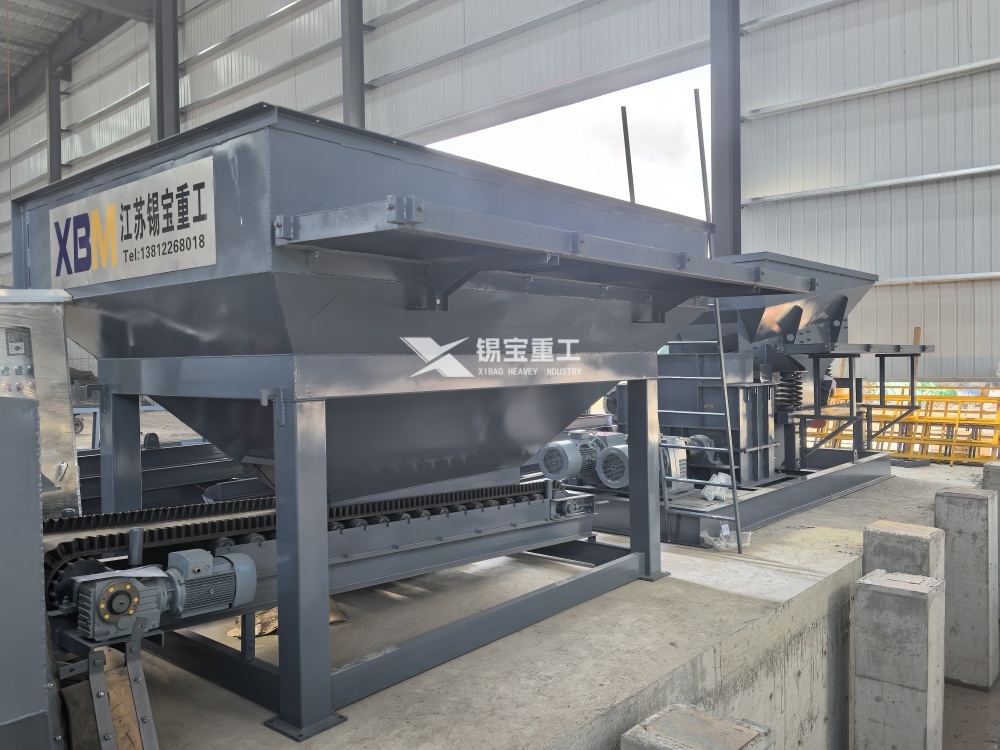
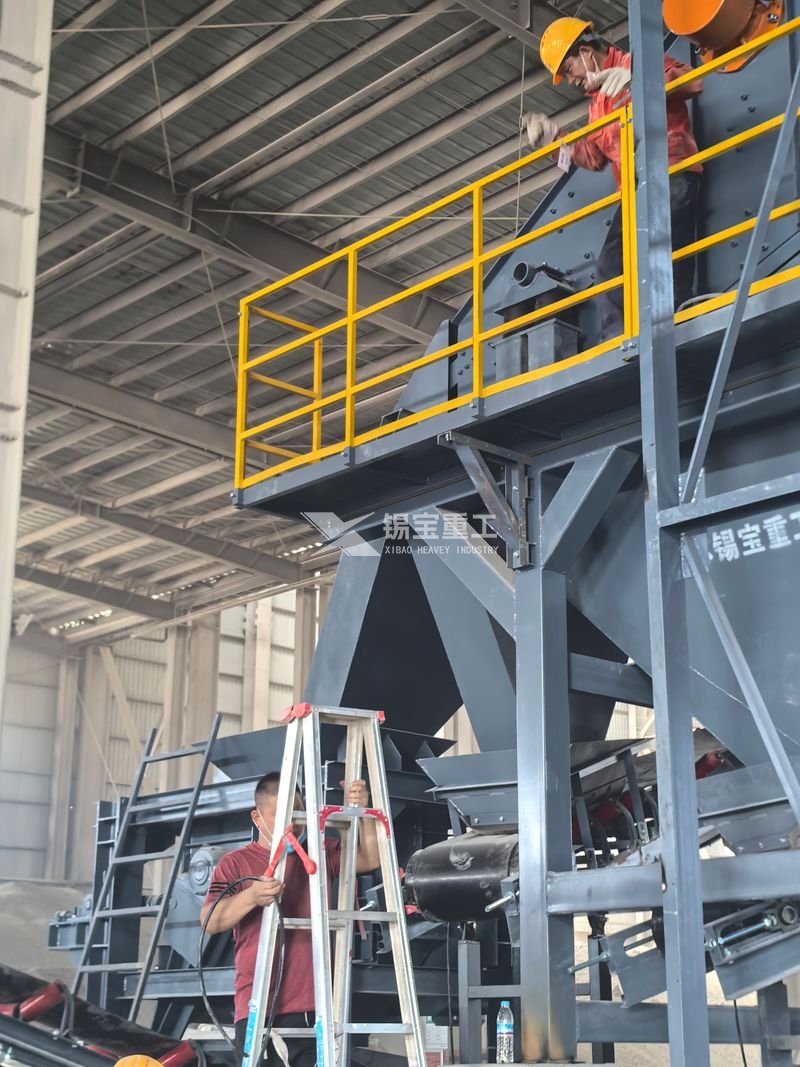
The feeding system is the starting link of the crushing process, mainly composed of a feed hopper, vibrating feeder, and feeding control device. The asphalt milling materials (usually with a feed size of 80-1050 mm) are first transported to the feed hopper by a loader or conveyor belt. The feed hopper is designed with an anti-sticking lining to prevent asphalt from adhering to the inner wall due to temperature changes or viscosity, avoiding material blockage. The vibrating feeder then uniformly transports the materials to the crushing chamber at a constant speed, which prevents the crushing chamber from being overloaded due to instantaneous excessive feeding and ensures that each material particle can be fully crushed. Some advanced models are equipped with a pre-screening function in the feeding system, which can first screen out fine particles that do not need to be crushed, reducing the workload of the crushing chamber and improving overall efficiency.
2.2 Crushing Chamber & Toothed Rollers: Core Parts for Material Crushing
The crushing chamber is the core area where the actual crushing of materials occurs, and the toothed rollers are the key working parts of the crushing chamber. Most asphalt milling material crushers adopt a double-toothed roller structure, and the rollers are made of high-strength wear-resistant alloy materials (some are impregnated with tungsten carbide for extended service life) to resist the wear caused by asphalt and aggregates. The surface of the toothed rollers is equipped with customized teeth (such as spiral teeth or rhombus teeth), which are arranged in a differentiated manner to increase the meshing area with materials and enhance the shearing and peeling effect on asphalt milling materials.
The distance between the two toothed rollers is adjustable, which directly determines the particle size of the finished product. By adjusting the roller spacing through hydraulic or mechanical devices, operators can obtain recycled aggregates of different specifications (usually 0-30 mm, such as 0-10 mm, 10-25 mm) to meet different application needs such as road base course, subbase course, or asphalt mixture mixing. During operation, the toothed rollers rotate in opposite directions at a low speed, and the teeth on the roller surface bite and pull the materials, realizing the separation of asphalt and aggregates while breaking the materials, ensuring that the recycled aggregates have a high block rate and low powder content.
2.3 Transmission System: Providing Power for Crushing Operation
The transmission system is the "power source" of the asphalt milling material crusher, mainly composed of a motor, reducer, coupling, and transmission shaft. The motor provides power to the reducer, and the reducer reduces the speed and increases the torque, then transmits the power to the toothed rollers through the coupling and transmission shaft, driving the toothed rollers to rotate stably at a low speed. The transmission system adopts a rigid connection design to ensure stable power transmission and avoid power loss. Some models are equipped with a overload protection device: when the crushing chamber encounters unbreakable impurities (such as metal blocks), the transmission system will automatically stop or the rollers will retreat to avoid equipment damage, ensuring the safe and stable operation of the crusher.
2.4 Screening and Conveying System: Classifying and Transporting Finished Products
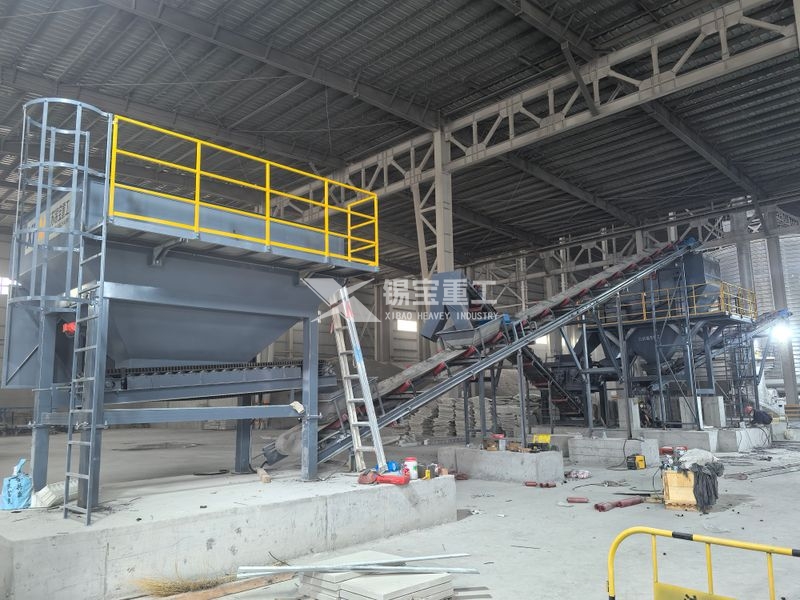
After the materials are crushed in the crushing chamber, they need to go through the screening and conveying system to complete the final processing. The screening system is usually composed of a vibrating screen (single-layer or multi-layer), which can separate the crushed materials into different particle sizes according to the preset specifications. Qualified recycled aggregates are transported to the finished product silo by the conveyor belt for storage or direct use, while oversized materials that do not meet the particle size requirements are returned to the crushing chamber for secondary crushing, forming a closed-loop crushing process to ensure the utilization rate of materials and the uniformity of finished products.
The conveyor belt is equipped with an anti-sticking device and a dust cover: the anti-sticking device prevents asphalt from adhering to the conveyor belt, and the dust cover collects the dust generated during the conveying process, reducing environmental pollution. Some advanced models integrate the screening and crushing functions into one, forming a modular screen-crusher integrated machine, which simplifies the equipment structure and improves operation efficiency.
2.5 Control System: Intelligent Regulation of the Whole Operation Process
Modern asphalt milling material crushers are equipped with an intelligent control system (such as the DG "Leap" automatic control system), which realizes the intelligent regulation of the whole working process. The control system is equipped with a simple and intuitive operation interface, allowing operators to realize one-key start, stop, and parameter adjustment (such as roller spacing, feeding speed, and screening specifications). Some models support remote monitoring and fault analysis, enabling real-time monitoring of equipment operation parameters (such as motor temperature, roller speed, and load) and early warning of faults, which is convenient for timely maintenance and handling.
The control system also has an automatic load adjustment function: it can automatically adjust the feeding speed according to the load of the crushing chamber, avoiding equipment idling or overload, reducing labor intensity, and improving the stability and efficiency of equipment operation.
3. Complete Working Process: From Raw Material to Recycled Aggregates
The working process of the asphalt milling material crusher is a continuous and systematic operation, which can be divided into 5 key links: raw material pretreatment, feeding, crushing, screening, and finished product collection. Each link is closely connected to ensure the efficiency and quality of the crushing operation.
3.1 Step 1: Raw Material Pretreatment
Before entering the crusher, the asphalt milling materials need to be pretreated to remove impurities (such as metal blocks, stones, and tree roots) that may damage the equipment or affect the quality of recycled aggregates. This step can be completed manually or by a pre-screening device. At the same time, if the moisture content of the milling materials is too high (more than 15%), it needs to be properly dried to avoid material sticking to the toothed rollers and screening equipment, ensuring smooth operation of the subsequent process. The pretreatment step is crucial to protecting the equipment and improving the quality of recycled aggregates.
3.2 Step 2: Uniform Feeding
The pretreated asphalt milling materials are transported to the feed hopper by a loader or conveyor belt. The vibrating feeder in the feeding system uniformly transports the materials to the crushing chamber at a constant speed, ensuring that the materials are evenly distributed in the V-shaped gap between the two toothed rollers. The feeding speed is adjusted according to the load of the crushing chamber and the required output, avoiding excessive feeding (which may cause equipment overload and blockage) or insufficient feeding (which may reduce production efficiency).
3.3 Step 3: Flexible Crushing and Asphalt Stripping
When the materials enter the crushing chamber, the two toothed rollers rotate in opposite directions at a low speed (20-80 rpm), and the teeth on the roller surface bite the materials into the gap between the rollers. Under the combined action of extrusion force, shearing force, and kneading force, the large lumps of asphalt milling materials are gradually broken into small particles. During this process, the asphalt film on the surface of the aggregates is gently stripped and scattered without excessive aging or coking, while the aggregates remain intact, avoiding the generation of a large number of fine powders. The adjustable roller spacing determines the maximum particle size of the crushed materials, and operators can set the appropriate spacing according to the application needs of the finished products.
3.4 Step 4: Screening and Classification
The crushed materials are transported to the vibrating screen by the conveyor belt for screening and classification. The multi-layer screen mesh of the vibrating screen separates the materials into different particle sizes: qualified recycled aggregates (meeting the preset specifications) are transported to the finished product silo; oversized materials that do not meet the particle size requirements are returned to the crushing chamber through the return conveyor for secondary crushing, forming a closed-loop crushing process to ensure that all materials are fully crushed and utilized. The screening process can also remove fine powders generated during crushing, further improving the quality of recycled aggregates.
3.5 Step 5: Finished Product Collection and Utilization
The qualified recycled aggregates after screening are transported to the finished product silo for storage, or directly transported to the construction site for reuse. These recycled aggregates have a stable gradation and high strength, and can be used in various scenarios such as road base course, subbase course, asphalt mixture mixing, temporary road construction, and parking lot paving. The entire working process is continuous, with a production capacity ranging from 7 to 300 tons per hour, which can meet the processing needs of different scales of road maintenance and reconstruction projects.
4. Working Differences Between Different Types of Asphalt Milling Material Crushers
Asphalt milling material crushers are mainly divided into two types: fixed and mobile, according to the deployment mode. Although their core working principle is the same (flexible crushing), there are certain differences in their working methods and applicable scenarios, which are mainly reflected in the deployment mode and operation flexibility.
4.1 Fixed Asphalt Milling Material Crusher
Fixed crushers are usually installed in fixed waste treatment plants or asphalt mixing plants, with a relatively large volume and stable structure. Their working process is relatively fixed: materials are transported to the crusher by a conveyor belt for centralized processing, and the finished products are stored in the silo for unified deployment. Fixed crushers have a high production capacity (up to 300 tons per hour) and are suitable for large-scale centralized processing of asphalt milling materials, such as large-scale road reconstruction projects or professional waste recycling stations. They are equipped with a complete screening and conveying system, which can realize automated and continuous operation, reducing labor intensity.
4.2 Mobile Asphalt Milling Material Crusher
Mobile crushers are installed on a crawler or vehicle-mounted chassis, with strong mobility and flexibility. Their working process is more flexible: they can move directly to the road maintenance site, follow the asphalt milling machine to work, and realize "while milling, while crushing, on-site processing". This mode saves the time and cost of material transportation and stacking, and is especially suitable for remote road maintenance projects or construction sites with inconvenient transportation. Mobile crushers usually adopt a modular design, which can quickly switch between different working modes and adjust the output particle size according to the on-site needs. Although their production capacity is slightly lower than that of fixed crushers, their flexibility greatly improves the overall construction efficiency of the project.
5. Key Operating Points to Ensure Normal Working
To ensure that the asphalt milling material crusher works stably and efficiently, and to extend the service life of the equipment, operators need to pay attention to the following key points during the working process:
5.1 Strictly Control Raw Material Quality
It is necessary to strictly screen the raw materials to remove impurities such as metal blocks and large stones, so as to avoid damaging the toothed rollers and other key components during the crushing process. At the same time, control the moisture content and particle size of the raw materials to avoid material sticking and blockage.
5.2 Adjust Parameters According to Material Characteristics
According to the hardness, viscosity, and particle size of the asphalt milling materials, adjust the roller spacing and feeding speed reasonably to ensure the crushing effect and the quality of the finished products. For materials with high viscosity, the roller speed can be appropriately increased, and the anti-sticking device can be started to avoid material sticking.
5.3 Regular Inspection and Maintenance
During the operation process, regularly check the wear of the toothed rollers, screen mesh, and conveyor belt, and replace the wearing parts in time. At the same time, check the lubrication of the transmission system and the tightness of the connecting parts to ensure stable power transmission and avoid equipment failure due to insufficient lubrication or loose connections.
5.4 Observe Safety Operating Specifications
Operators must operate in accordance with the safety operating specifications, wear protective equipment, and are not allowed to put their hands or other objects into the crushing chamber during the operation of the equipment. In case of equipment failure, the power supply must be cut off first before maintenance to avoid safety accidents.
6. Conclusion
The asphalt milling material crusher realizes the efficient recycling of asphalt milling waste through the core principle of low-speed, high-torque flexible crushing. Its working process is a systematic cooperation of multiple components: the feeding system ensures uniform material supply, the toothed rollers in the crushing chamber complete the key steps of material crushing and asphalt stripping, the transmission system provides stable power, the screening and conveying system realizes the classification and transportation of finished products, and the control system realizes intelligent regulation. From raw material pretreatment to finished product collection, each link is closely connected to ensure that the crushed recycled aggregates have high quality, stable gradation, and high reuse value.
Whether it is a fixed or mobile model, the asphalt milling material crusher adheres to the concept of "flexible crushing and resource recycling", which not only solves the problem of environmental pollution caused by asphalt milling waste disposal but also saves natural aggregate resources and reduces construction costs. Understanding its working principle and key components can help operators use the equipment more efficiently, ensure the stable operation of the equipment, and maximize the economic and environmental benefits of asphalt recycling. With the continuous upgrading of technology, the asphalt milling material crusher will become more intelligent, efficient, and environmentally friendly, playing a more important role in the sustainable development of the road construction industry.